
Why Salary Is Never Enough in Today’s India
Introduction: The Silent Struggle of the Salaried Class
In today’s India, earning a “good salary” no longer guarantees a comfortable life. Many professionals who earn ₹25,000, ₹50,000, or even ₹1 lakh per month still find themselves living paycheck to paycheck. Despite promotions, annual increments, and years of experience, financial stress refuses to go away.
This is not just a personal problem—it is a structural reality faced by India’s growing salaried middle class. Rising costs, stagnant income growth, social pressure, and systemic issues have made salary income increasingly insufficient. This blog explores why salary is never enough in today’s India, what factors are responsible, and what mindset shifts are urgently needed.
The Rising Cost of Living Outpaces Salary Growth
The biggest reason salary feels insufficient is simple: expenses are growing faster than income.

Inflation Hits Everyday Essentials
Inflation in India is not just about luxury items. It affects daily essentials:
- Vegetables, milk, cooking oil
- School fees and coaching classes
- Electricity, LPG, and water bills
- Mobile, internet, and OTT subscriptions
Even a modest lifestyle today costs significantly more than it did five years ago. A 6–8% annual salary hike cannot compensate when household expenses rise by 10–12%.
Urban Life Is Becoming Unaffordable
Cities that promise better jobs also demand higher spending. Rent in metros like Mumbai, Bengaluru, Delhi, and Hyderabad consumes 30–50% of monthly salary. Add commuting, parking, fuel, and maintenance costs, and a large portion of income disappears before savings even begin.
Salary Increments Are Slowing Down
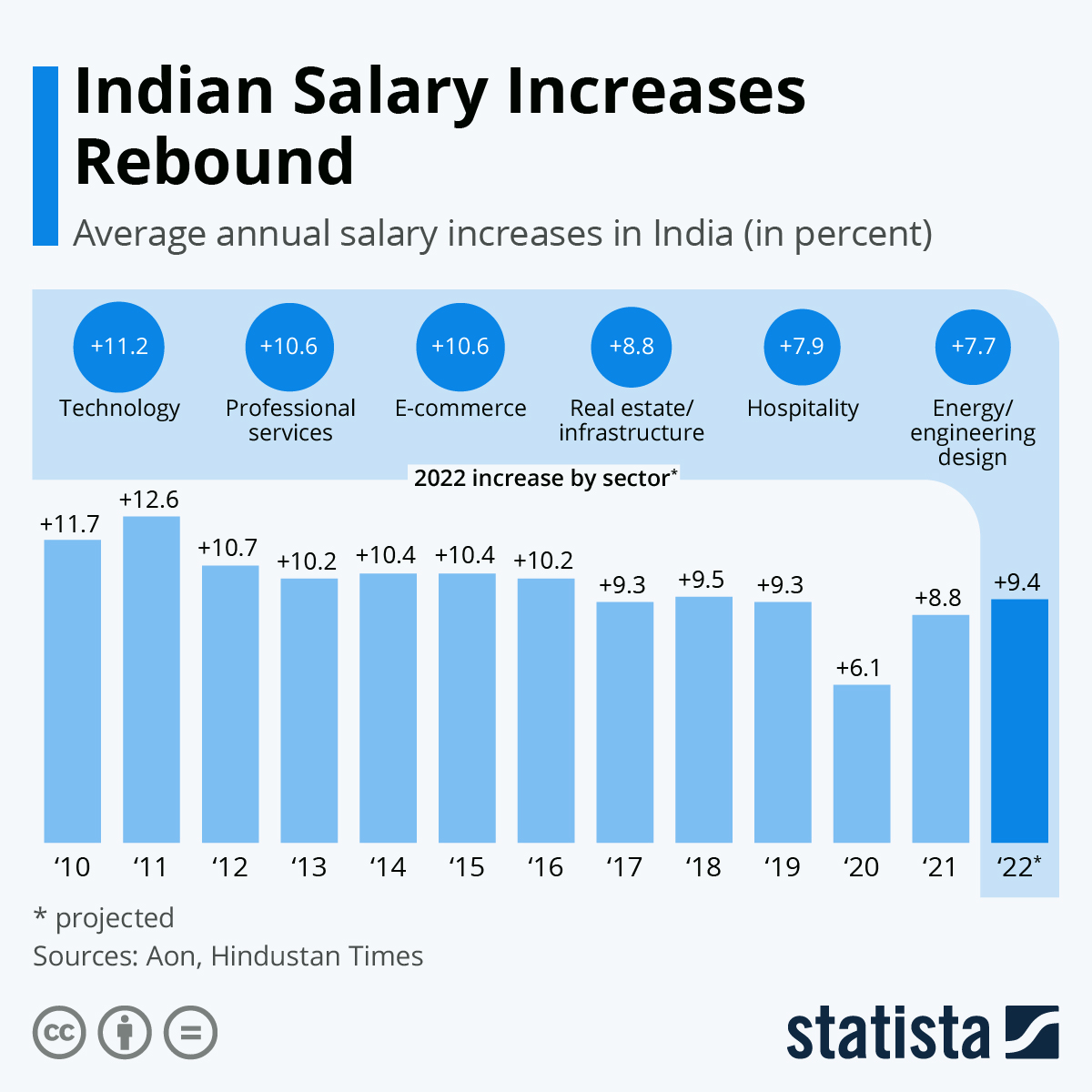
While expenses rise rapidly, salary growth has slowed across sectors.
Increment Is an Illusion of Progress
Most employees receive annual increments between 5–10%. After tax and inflation, the real increase in purchasing power is often close to zero. Promotions bring more responsibilities but not proportional pay growth.
Job Security Has Reduced
The fear of layoffs, contract jobs, and performance-linked pay has weakened bargaining power. Employees hesitate to demand fair salaries, knowing replacements are easily available.
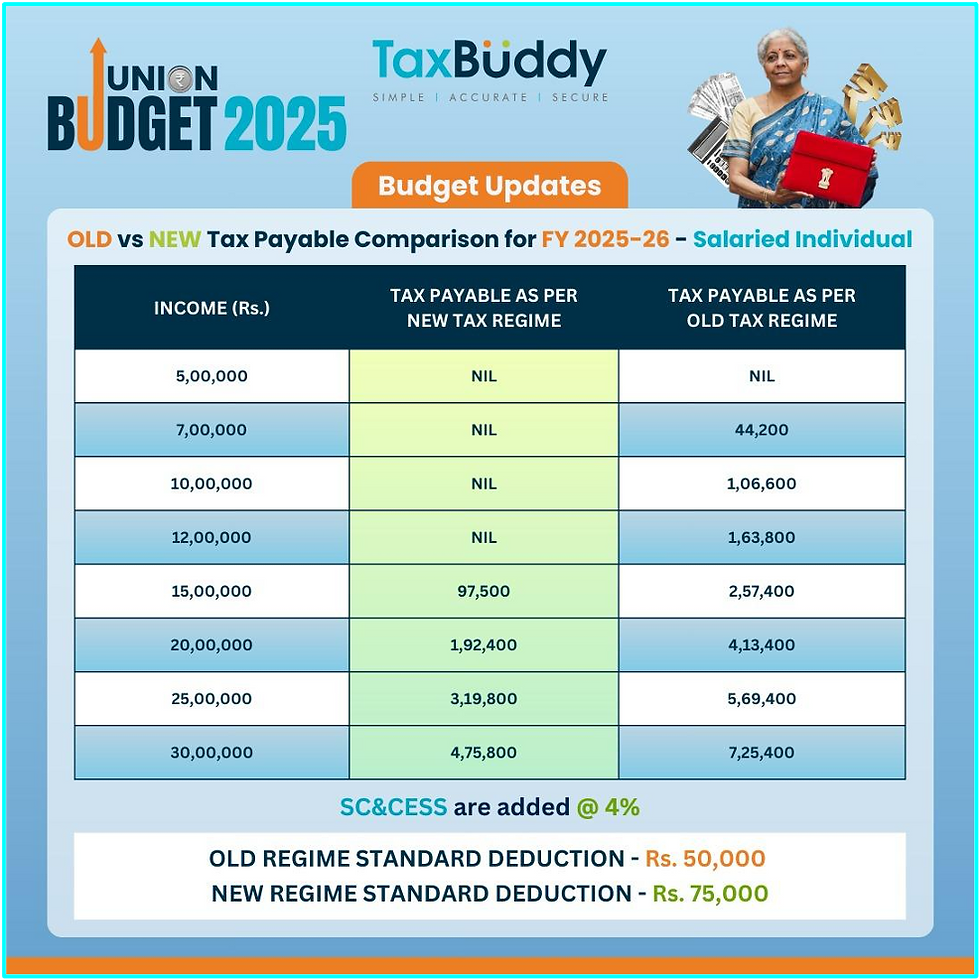
Tax Burden Shrinks Take-Home Salary
For salaried individuals, tax is unavoidable and non-negotiable.
Limited Tax-Saving Options
Unlike business owners, salaried employees have limited ways to reduce tax liability. PF, insurance, and basic deductions hardly keep up with rising income slabs.
Hidden Taxes Everywhere
Beyond income tax, Indians pay indirect taxes daily:
- GST on groceries, fuel, and services
- Road tolls and transport taxes
- Education cess and municipal charges
The result: a shrinking take-home salary with growing obligations.
Lifestyle Inflation and Social Pressure
As income grows, expectations grow faster.

The EMI Trap
Homes, cars, smartphones, gadgets, and even vacations are now bought on EMIs. What feels affordable monthly becomes a long-term burden that eats future income.
Comparison Culture
Social media has intensified comparison. Seeing peers travel, upgrade homes, or celebrate lavishly creates pressure to spend beyond capacity—often to maintain appearances rather than needs.
Education and Healthcare Are Financial Black Holes
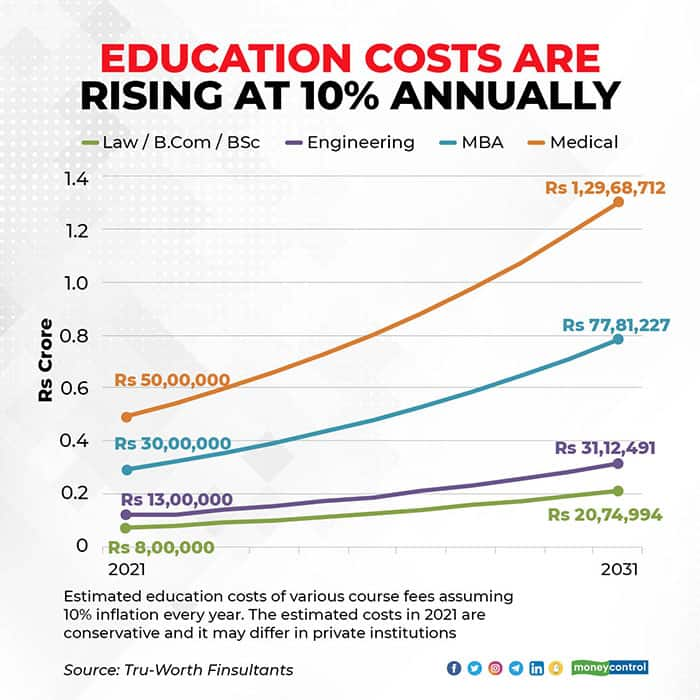
Two areas where salary fails completely are education and healthcare.
Education Is No Longer Affordable
From private schools to coaching centers and colleges, education costs have exploded. Parents spend lakhs to ensure “a secure future” for children, often compromising their own financial stability.
Healthcare Can Destroy Savings Overnight
One medical emergency is enough to wipe out years of savings. Health insurance helps, but coverage gaps, exclusions, and rising premiums still leave families vulnerable.
Salary Is a Linear Income in a Non-Linear Economy
The biggest structural flaw is that salary grows linearly, while life costs grow unpredictably.

Time-for-Money Has Limits
A salary depends on hours worked. There are only 24 hours in a day. Once you hit that ceiling, income growth stops unless you switch jobs or roles.
No Protection Against Shocks
Job loss, illness, family emergencies, or economic downturns instantly disrupt salaried income. There is no built-in resilience.
The Middle-Class Squeeze: Too Rich for Subsidies, Too Poor for Comfort
Salaried Indians fall into a dangerous gap.
No Government Support
Most welfare schemes target the poor, while tax benefits favor businesses. The salaried middle class receives minimal relief despite being the largest taxpayer group.
Rising Responsibilities
Supporting parents, children, and sometimes extended family adds pressure. Single income households struggle the most.
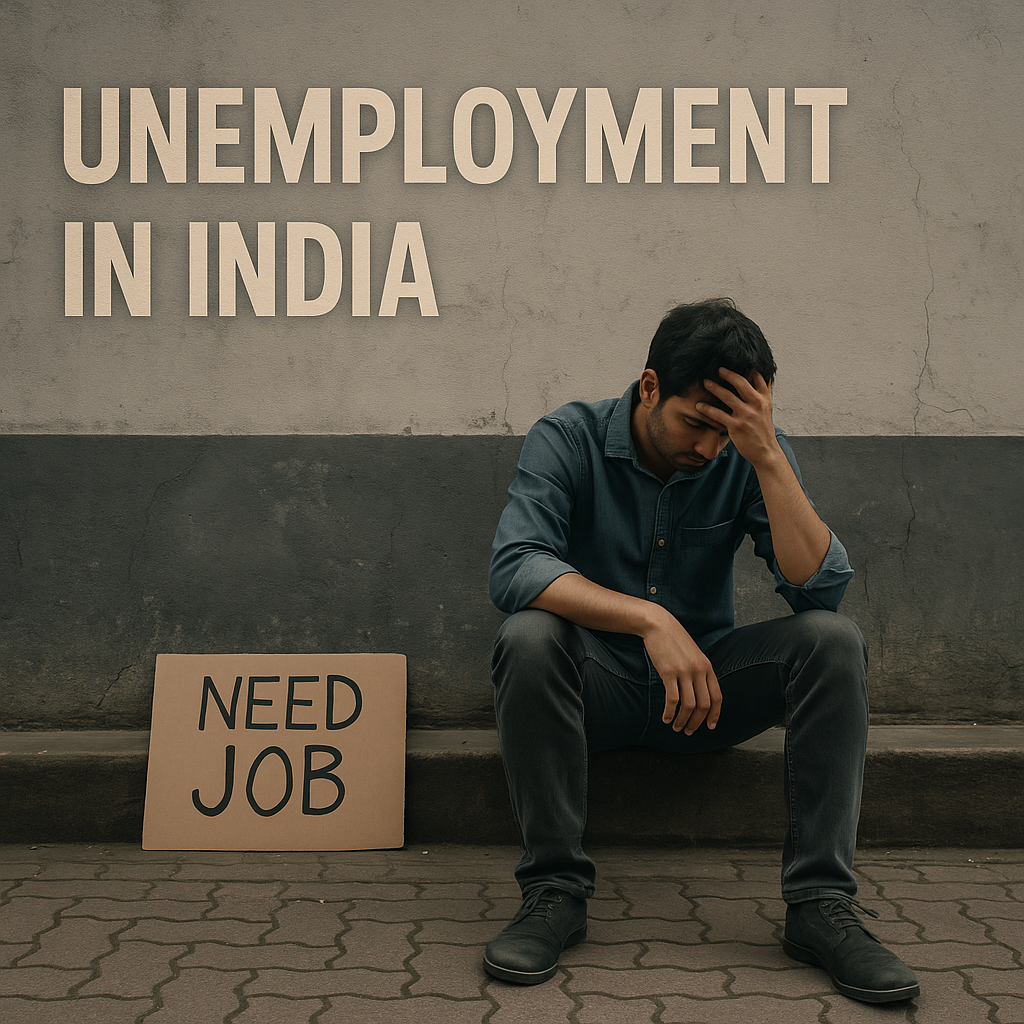
Psychological Impact: Constant Anxiety Despite Employment
Financial stress is not just about money—it affects mental health.
Living Without Security
Even with a stable job, many feel insecure about the future. Retirement planning, children’s education, and medical costs remain constant worries.
Burnout and Hopelessness
Working harder without seeing meaningful financial progress leads to burnout. Many feel trapped in a cycle they cannot escape.
What Can Be Done? A Reality Check
Salary alone is no longer enough—but awareness is the first step.
Rethinking Income Strategy
Depending on a single income source is risky. Skills, digital platforms, consulting, or small side projects can provide supplemental income without quitting jobs.
Conscious Spending Over Status Spending
Not every upgrade is necessary. Financial discipline today creates flexibility tomorrow.
Financial Literacy Is Survival Skill
Understanding budgeting, insurance, emergency funds, and long-term investing is no longer optional—it is essential.
Conclusion: Salary Is Not the Problem, the System Is
Salary was once enough because life was simpler and expectations were lower. Today’s India demands more—more spending, more responsibility, and more resilience. The salaried class is overworked, overtaxed, and underprotected.
The truth is uncomfortable but clear: salary alone cannot guarantee financial security anymore. Until income structures evolve and systems provide better support, individuals must adapt through smarter planning, diversified income, and conscious living.
If this article resonated with you, share it with someone who silently struggles every month despite earning “well.” Awareness is the first step toward change.