
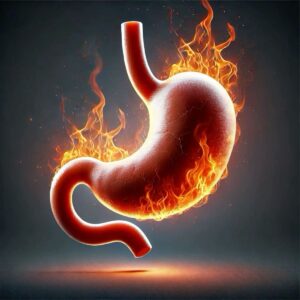
Digestive problems like acidity, bloating, constipation, and indigestion have become very common in daily life. Irregular eating habits, stress, lack of physical activity, and processed food consumption are some of the main reasons behind these issues. Understanding why digestive problems occur is the first step toward better health awareness.
Key Points to Cover:
-
Irregular meal timing
-
Fast food & processed food habits
-
Stress and anxiety
-
Lack of physical movement
-
Poor hydration
🔹 Irregular Meal Timing
In modern daily life, many people skip meals or eat at inconsistent times. Late breakfasts, missed lunches, and heavy dinners disturb the natural digestive cycle. When the digestive system does not receive food at regular intervals, it can lead to acidity, indigestion, bloating, and stomach discomfort.
🔹 Fast Food and Processed Food Consumption
Processed and fast foods are usually low in fiber and high in oil, salt, and preservatives. Such foods are harder for the body to digest properly. Regular consumption puts extra strain on the digestive system and often results in gas, constipation, and acidity.
🔹 Stress and Anxiety
Stress affects not only mental health but also digestion. During stressful situations, the body slows down digestion and focuses on stress response. As a result, food may not digest properly, leading to stomach heaviness, discomfort, and digestive issues.
🔹 Lack of Physical Movement
Physical activity helps stimulate digestion and improves bowel movement. However, long sitting hours and limited physical movement slow down the digestive process. This can increase the risk of constipation, gas, and digestive discomfort.
🔹 Poor Hydration
Water plays a crucial role in digestion. When the body does not get enough water, food is not broken down efficiently, and waste movement slows down. Poor hydration is a common cause of constipation and digestive discomfort.
✅ Possible Solutions & Helpful Practices
🔹 Maintain Regular Meal Timing
Eating meals at fixed times helps the digestive system work efficiently. Skipping meals or eating very late often disrupts digestion. Even simple routines like eating breakfast on time can make a noticeable difference.
🔹 Improve Food Choices
Reducing junk food and increasing fiber-rich foods such as fruits, vegetables, and whole grains supports better digestion. Simple, home-cooked meals are generally easier for the body to digest.
🔹 Manage Stress Levels
Stress management plays an important role in digestive health. Activities like walking, breathing exercises, or taking short breaks during the day can help reduce stress-related digestive discomfort.
🔹 Stay Physically Active
Light physical activity such as walking after meals helps stimulate digestion. Regular movement supports bowel function and reduces common digestive issues like bloating and constipation.
🔹 Stay Properly Hydrated
Drinking enough water throughout the day supports digestion and helps prevent constipation. Consistent hydration is a basic but often overlooked digestive support.
🥗 Possible Home Remedies (Food-Based)
🔹 Warm Water
Drinking warm water, especially in the morning, may help stimulate digestion and support bowel movement. It is a simple habit that supports overall digestive comfort.
🔹 Fiber-Rich Foods
Foods like fruits, vegetables, whole grains, and oats provide dietary fiber, which supports smoother digestion and regular bowel movement.
🔹 Curd (Yogurt)
Curd contains beneficial bacteria that may help maintain gut balance. Consuming plain curd as part of meals can support digestion.
🔹 Ginger
Ginger is commonly used in food for digestive comfort. Adding small amounts of ginger to meals or warm water may help reduce bloating and heaviness.
🔹 Adequate Hydration Through Fluids
Soups, buttermilk, and water-rich fruits support hydration, which plays an important role in digestion.
Important Note :
These suggestions are for general informational purposes only and should not replace professional medical advice. For persistent or severe symptoms, consulting a qualified professional is recommended.
The food-based suggestions are for general informational purposes only. They are not intended to diagnose, treat, or cure any condition. Individuals with ongoing or severe symptoms should consult qualified professionals.