
Break the Chain, Reclaim Your Life
How to Control Bad Habits Like Tobacco and Alcohol—A Practical, Powerful Guide
Bad habits rarely begin as problems. They often start as experiments, coping mechanisms, or social rituals. However, over time, habits like tobacco and alcohol consumption silently take control of health, emotions, finances, and relationships. The good news is this: bad habits can be controlled, reversed, and replaced with healthier choices—without shame, guilt, or unrealistic expectations.
This in-depth guide is designed to help you understand, confront, and overcome tobacco and alcohol habits in a structured, sustainable way. Using behavioral science, practical strategies, and real-life logic, this article walks you step by step toward lasting change.
1. Understand the Psychology Behind Bad Habits
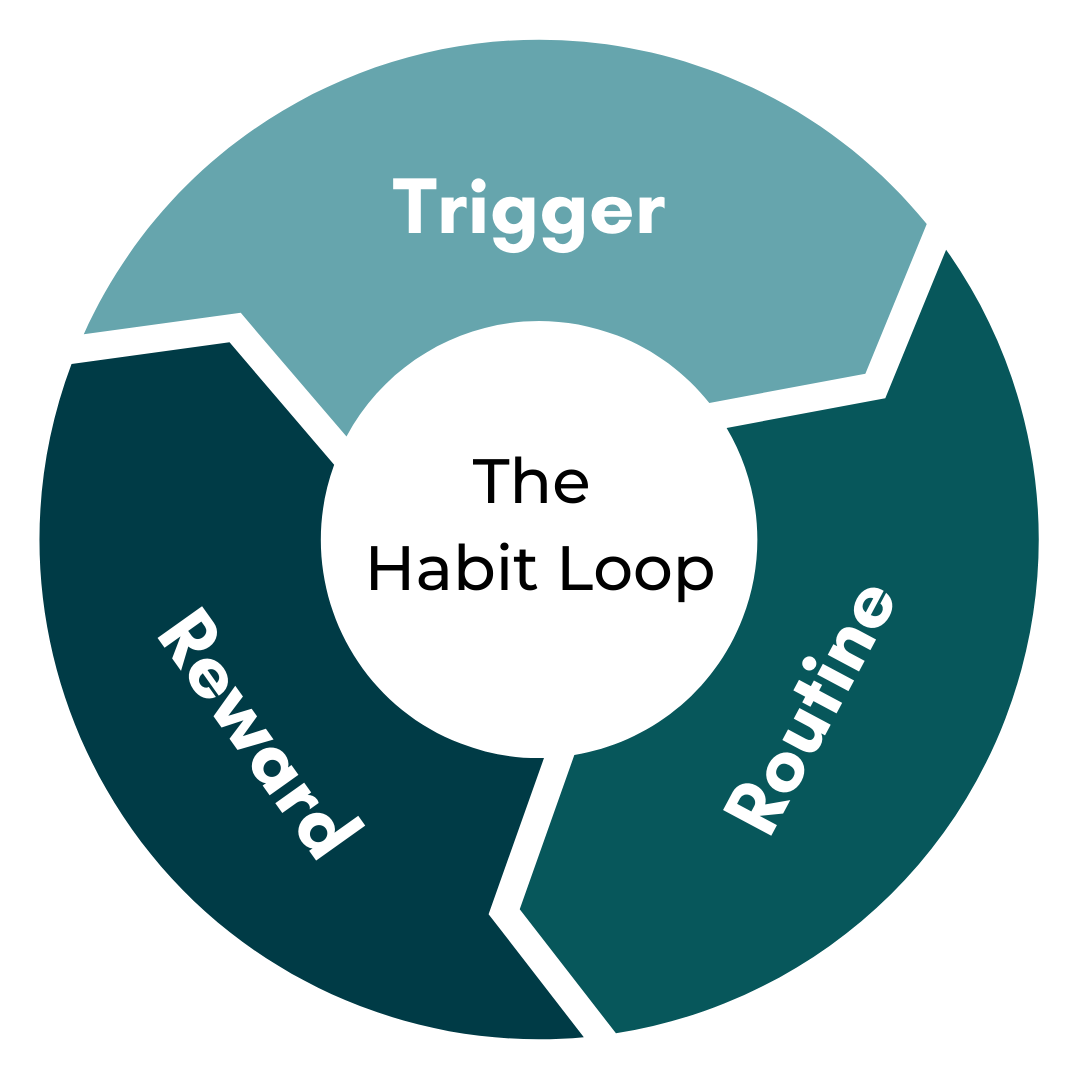
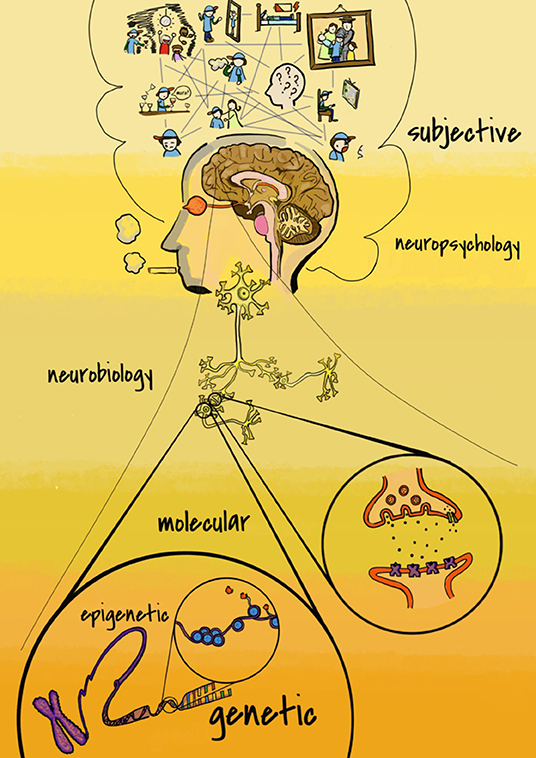
Bad habits operate on a predictable psychological loop: trigger → craving → action → reward. Tobacco and alcohol stimulate dopamine, the brain’s reward chemical, creating short-term relief or pleasure. As a result, the brain starts associating stress, boredom, or social situations with these substances.
Moreover, repetition strengthens neural pathways. Over time, the brain begins to act automatically, often without conscious decision-making. This explains why willpower alone feels insufficient. Therefore, understanding that addiction is behavioral conditioning, not moral failure, is the first step toward control.
Importantly, awareness breaks automation. When you recognize triggers—such as stress after work or peer pressure at gatherings—you gain the power to interrupt the cycle. Once interrupted, habits lose their grip.
2. Identify Your Personal Triggers and Patterns
Every individual’s habit has a pattern. Some people smoke when anxious, while others drink socially or to escape emotional discomfort. Therefore, identifying why and when you consume tobacco or alcohol is essential.
Start by maintaining a simple habit journal for seven days. Note the time, place, emotion, and reason behind each urge. Gradually, patterns emerge. For instance, you may notice that cravings peak during loneliness or fatigue. This insight enables proactive planning.
Once triggers are identified, you can replace responses instead of fighting urges blindly. Consequently, behavior change becomes strategic rather than emotional.
3. Set Clear, Realistic, and Measurable Goals

Vague intentions like “I will quit someday” rarely work. Instead, goals must be specific, time-bound, and realistic. For example, reducing cigarettes from ten to five per day over two weeks is measurable and achievable.
Additionally, breaking the goal into milestones prevents overwhelm. Each small success reinforces confidence and motivation. As progress becomes visible, commitment strengthens naturally.
Equally important, avoid comparison. Your journey is personal. What matters is consistent improvement, not perfection.
4. Replace the Habit—Do Not Just Remove It

Habits cannot exist in a vacuum. When you remove tobacco or alcohol, the brain seeks a substitute. Therefore, replacement is non-negotiable. Physical activity, chewing sugar-free gum, deep breathing, herbal tea, or short walks can effectively fill the gap.
Moreover, replacements should match the original habit’s function. If smoking helped with stress, choose calming alternatives. If alcohol was social, replace it with social but non-alcoholic activities.
Over time, new habits form new neural pathways. Eventually, cravings reduce in intensity and frequency.
5. Build a Supportive Environment
Your environment strongly influences behavior. Easy access to cigarettes or alcohol increases relapse risk. Therefore, removing these substances from your immediate surroundings is a strategic move, not a weakness.
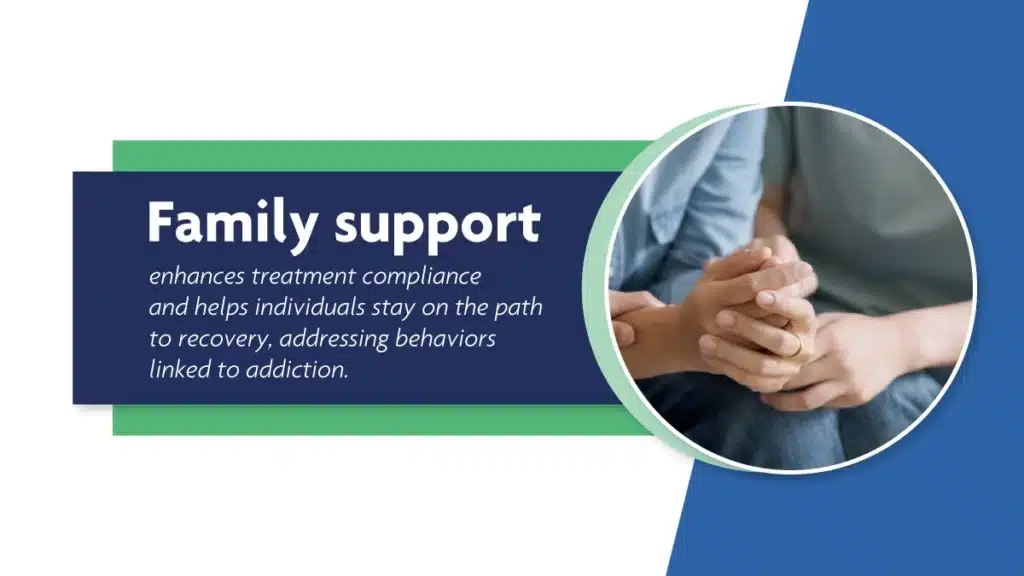
Additionally, communicate your decision clearly to friends and family. Supportive people reinforce positive behavior, while unsupportive influences can be minimized. Choosing your environment is choosing your future.
Furthermore, digital environments matter too. Following health-focused content instead of substance-promoting media strengthens mental alignment with your goals.
6. Learn to Manage Stress Without Substances

Stress is one of the most common relapse triggers. Tobacco and alcohol often become coping tools. However, they only suppress stress temporarily while worsening long-term health.
Instead, adopt evidence-based stress management techniques. Deep breathing, mindfulness, meditation, journaling, and regular exercise reduce cortisol levels naturally. These practices improve emotional resilience over time.
Importantly, stress management is a skill, not a talent. With practice, healthier coping becomes instinctive.
7. Strengthen Your Mindset and Self-Identity

Lasting change requires an identity shift. Instead of saying, “I am trying to quit,” say, “I am someone who values health.” Language shapes self-perception and behavior.
Furthermore, setbacks should be treated as feedback, not failure. One slip does not erase progress. Resilience lies in returning to the plan quickly.
By aligning habits with identity, discipline transforms into self-respect.
8. Use Professional and Medical Support When Needed

In many cases, professional help accelerates recovery. Doctors, counselors, and de-addiction specialists provide structured guidance, medical support, and accountability.
Nicotine replacement therapy, behavioral counseling, and support groups are evidence-backed tools. Seeking help reflects responsibility, not weakness.
Additionally, early intervention prevents long-term complications, making professional support a wise investment in future health.
9. Track Progress and Celebrate Small Wins

Monitoring progress keeps motivation alive. Track days without tobacco or reduced alcohol intake. Visual progress reinforces commitment and builds momentum.
Equally important, celebrate milestones—without substances. Rewards could include books, experiences, or personal treats that reinforce positive behavior.
Consistency grows when progress is acknowledged.
Conclusion: Control Is Possible, Change Is Sustainable
Breaking free from tobacco and alcohol is not about punishment or extreme discipline. Instead, it is about awareness, strategy, environment, and identity. With the right approach, habits lose power, and control returns naturally.
Change may feel slow initially, but every day of conscious effort compounds into long-term freedom. Start today—not with pressure, but with purpose.